  |

|
 SHOP NOW SHOP NOW |

|
|

|
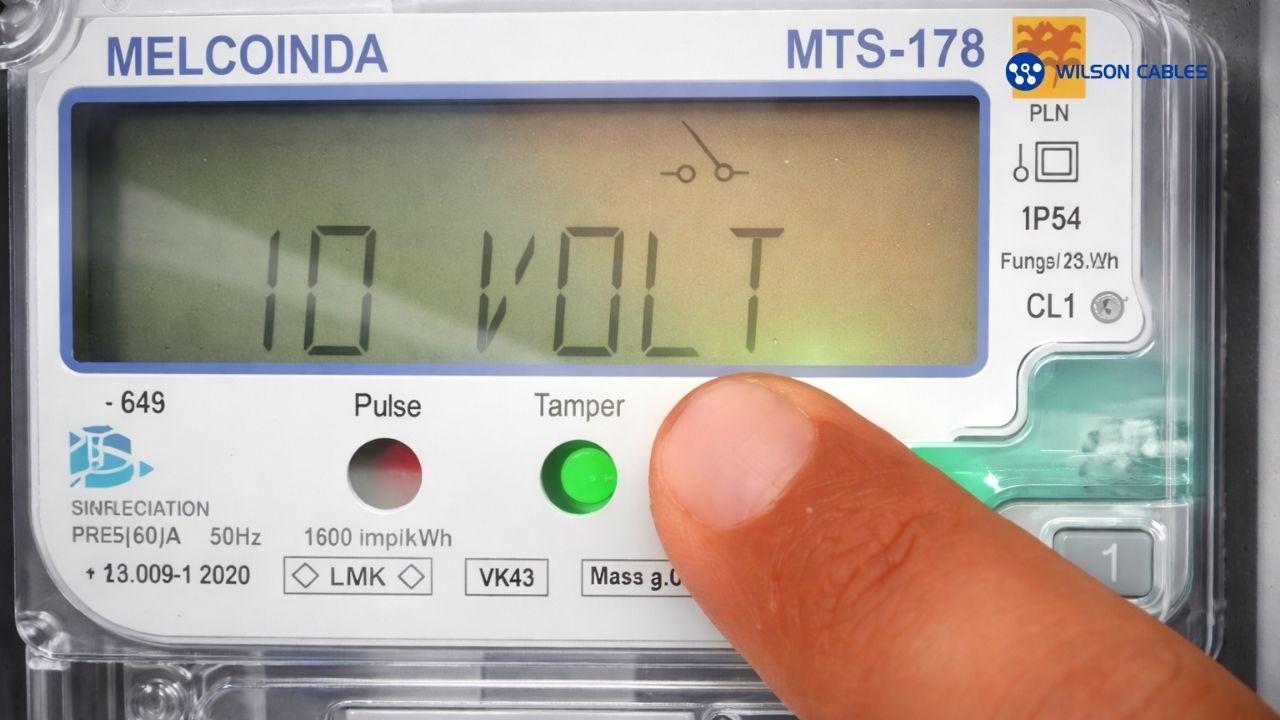
Have you ever seen the words “Lo Volt” appear on your electricity meter (KWH meter)? This is not just a normal notification, but a sign that there is too low voltage (Low Voltage) in your home's electrical network.
Low Voltage issues can cause low light levels, malfunctioning electronic devices, and potential damage to electrical appliances such as refrigerators, TVs, or washing machines. To understand how to address this issue, it is important to know the causes of Low Voltage, the risks involved, and the safe steps to take to resolve it.
The term “Lo Volt” comes from the words “Low Voltage,” which means low voltage. Digital electricity meters (prepaid KWH meters) will automatically display this warning when the voltage drops below 200 volts, while the normal household voltage in Indonesia is around 220 volts.
Smart KWH meters are equipped with a protection system that automatically cuts off the electricity supply (relay open) if the voltage is too low or too high. The purpose is to protect electronic devices in the home from damage due to extreme voltage surges or drops.
The appearance of Lo Volt on the electricity meter is caused by several common factors, including:
One of the most common causes is loose cable connections in the KWH meter, MCB, or connections from the power pole to the house. Loose cables can increase resistance, resulting in voltage drops and the meter detecting low voltage.
Wires that are burnt, melted, or frayed can disrupt the flow of electricity. This usually occurs in old wire connections or in installations that do not meet standards.
Immediately check the main wires from the power pole to the house. If you find signs of burning or charring, do not attempt to repair it yourself; please contact an official PLN technician.
In some cases, low voltage does not originate from your home installation, but rather from the PLN network. If a Power Transformer in your environment is overloaded (insufficient capacity) or experiences technical problems, the entire area may experience a simultaneous drop in voltage.
A simple way to check this:
The use of substandard cables, such as connections without connectors or damaged insulation, can cause a significant drop in voltage. Non-SNI standard cables also tend to have thin copper cores that are unable to conduct electricity efficiently. Use SNI-standard electrical cables from Wilson Cables to ensure maximum conductivity and safety for your home installation.
In addition to the “Lo Volt” message on the KWH meter display, you may also notice the following signs in your home:
If this condition occurs, immediately take the initial steps before contacting PLN.
Here are some safe and effective steps you can take:
See if there are any signs of loose cables, a burning smell, or loose connections. If you do not have technical expertise, avoid opening the KWH panel yourself, as this area is the responsibility of PLN.
Use a measuring device (multi-meter) to check the voltage at the outlet. If the value is below 200 volts, it means there is a serious voltage drop.
If your neighbour is also experiencing similar symptoms, it is likely that the source of the problem is the PLN transformer or distribution network.
Do not attempt to repair any part of the meter or cables connected to the PLN network yourself. Report it immediately through one of the following official channels:
All PLN complaint services are free of charge. An officer will arrive at the location usually within 15-30 minutes after the report is received.
To keep the voltage in your home stable, do the following:
Wilson Cables is a trusted electrical cable manufacturer in Indonesia, offering various types of high-quality cables such as NYA, NYM, NYY, and NYAF, all of which meet SNI and ISO 9001:2015 standards. Purified copper core cables provide more stable electrical conductivity, helping to reduce the risk of low voltage warnings on your electricity meter.
Wilson Cables products are designed for various needs:
The wording “Lo Volt” on the electricity meter indicates that the voltage is falling below the normal limit. The cause could be loose cable connections, a faulty PLN transformer, or substandard home installations.
The best steps to take are:
Good installation and high-quality components not only prevent “Lo Volt” issues but also ensure safer, more efficient, and longer-lasting electricity flow in your home.
|
Wilson Cables is a trusted electrical cable brand produced by PT. Willson Surya Unggul, a cable manufacture company in Tangerang, Indonesia, which has been established since 1989. Since the beginning, we have been fully committed to producing high quality cables with a choice of products from building cables, automotive cables, audio cables, electronic cables, to cables for use. special.
|
Our Location
Jl. Veteran No.9A, Kadu Jaya, Kec. Curug, Tangerang, Banten 15810
 021-5986868 / 0856-8686868
|
Sitemap
|
Download Our Product Catalog
Download |

|


