
  |

|
 SHOP NOW SHOP NOW |

|
|

|
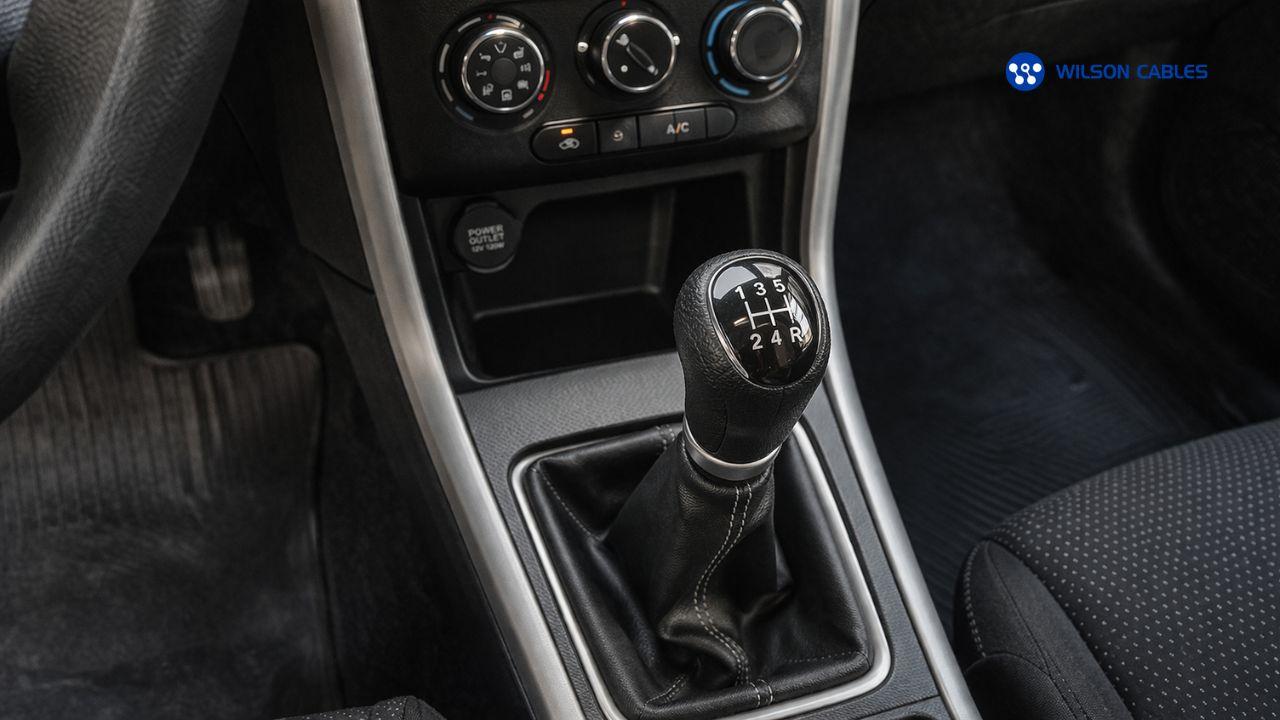
A car transmission is one of the most vital components in a vehicle’s drivetrain. If there is no transmission, the power generated by the engine cannot be optimally transferred to the wheels. As automotive technology advances, the types of car transmissions have become increasingly diverse, each with its own characteristics.
Understanding the different types of car transmissions will help you choose a vehicle that suits your needs, driving style, and long-term maintenance costs.
A car transmission is a mechanical system that regulates the transfer of power (torque) from the engine to the wheels. The transmission enables the car to move at appropriate speeds and power levels, whether accelerating, climbing hills, or cruising steadily on flat roads.
In addition to regulating speed, the transmission also plays a role in keeping the engine operating at an efficient RPM. This is why the transmission serves as a crucial link between the engine and the wheel drive system.
Read also: Understanding Manual and Automatic Transmission Components Types of Car Transmissions
The manual transmission is the most conventional type of transmission and is still widely used today. In this system, the driver shifts gears directly using the clutch pedal and gearshift lever.
The advantages of a manual transmission lie in the driver’s full control over the vehicle and its good fuel efficiency. Additionally, maintenance costs for manual transmissions are relatively lower, and their construction is simpler. However, operating a manual transmission requires more skill, especially when navigating traffic jams.
An automatic transmission allows gear shifts to occur automatically without the need to press the clutch pedal. This system uses a torque converter to replace the function of the clutch in a manual transmission.
Automatic transmissions offer high comfort, especially for daily use in urban areas. Drivers don’t have to bother with shifting gears, allowing them to focus more on road conditions. The downside is that fuel consumption tends to be slightly higher, and maintenance costs are relatively higher compared to manual transmissions.
A CVT is a type of automatic transmission that lacks conventional gear shifts. This system uses pulleys and a steel belt to produce continuously variable gear ratios.
The main advantages of a CVT are extremely smooth power delivery and good fuel efficiency. This transmission is widely used in modern cars, particularly daily-use vehicles. However, its acceleration characteristics are often considered less responsive by some drivers, especially those who enjoy the sensation of gear shifts.
A dual-clutch transmission uses two separate clutches to control odd and even gears. This system enables extremely fast and precise gear shifts.
DCTs are widely used in high-performance cars because they provide responsive acceleration without power loss. However, the system is more complex, requiring more meticulous maintenance and relatively high service costs.
An AMT is essentially a manual transmission that is automatically controlled by an electronic system and actuators. The clutch and gear shifts are operated without direct intervention from the driver.
The advantages of AMT lie in its more affordable price and fairly good fuel efficiency. However, gear shifts often feel less smooth compared to automatic transmissions or CVTs.
Read also: Here Are the Components of an Electric Car and Their Functions
There is no single transmission type that is truly perfect for everyone. The best choice depends heavily on driving habits and vehicle usage conditions.
Some recommendations based on needs:
Choosing the right transmission will make your driving experience more comfortable while avoiding additional costs down the road.
Read also: Car Relays: Functions, How They Work, Types, and Benefits
Transmission maintenance should not be neglected, as this component operates continuously and plays a crucial role in the vehicle’s performance. Proper maintenance will extend the transmission’s lifespan while ensuring a comfortable driving experience.
Here are some maintenance steps to keep in mind:
With routine maintenance and proper driving habits, your car’s transmission will remain smooth, responsive, and durable over the long term.
In modern cars, the transmission system relies heavily on sensors, ECUs, and electronic actuators. The quality of the electrical system is a critical factor in ensuring precise and stable gear shifts.
Using high-quality automotive cables helps maintain a stable electrical current to the sensors and transmission modules. Automotive cables from Wilson Cables are designed with heat-resistant insulation and high flexibility, making them ideal for supporting the increasingly complex electrical systems of modern car transmissions.
Read also: Understanding the Meaning of Car Cable Colors and Their Functions
The type of car transmission plays a major role in determining a vehicle’s comfort, performance, and efficiency. From manual, automatic, CVT, DCT, to AMT transmissions, each offers distinct characteristics that can be tailored to the driver’s needs.
In addition to choosing the right transmission, routine maintenance and a reliable electrical system are also key to ensuring the transmission remains durable and operates optimally. High-quality components (including automotive cables that meet standards) can result in more stable and safer vehicle performance in the long term.
|
Wilson Cables is a trusted electrical cable brand produced by PT. Willson Surya Unggul, a cable manufacture company in Tangerang, Indonesia, which has been established since 1989. Since the beginning, we have been fully committed to producing high quality cables with a choice of products from building cables, automotive cables, audio cables, electronic cables, to cables for use. special.
|
Our Location
Jl. Veteran No.9A, Kadu Jaya, Kec. Curug, Tangerang, Banten 15810
 021-5986868 / 0856-8686868
|
Sitemap
|
Download Our Product Catalog
Download |

|


