
  |

|
 SHOP NOW SHOP NOW |

|
|

|
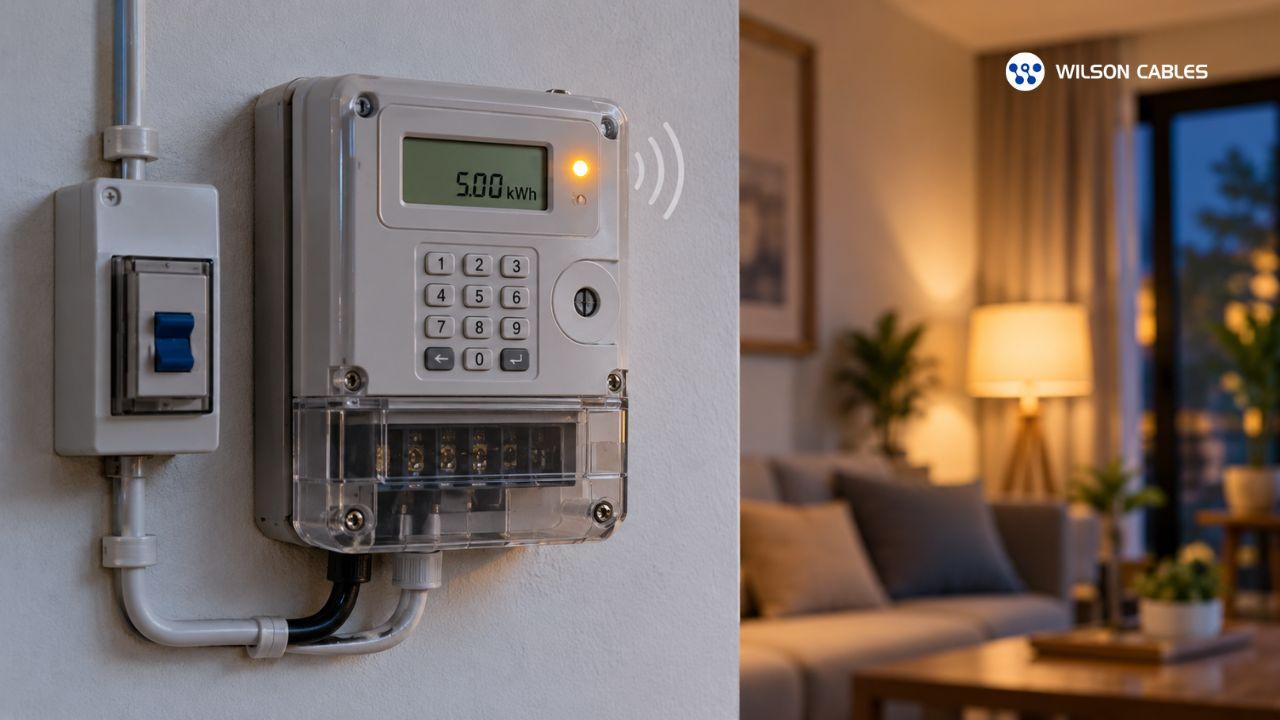
The beeping from a prepaid electricity meter can be genuinely irritating, especially late at night or during a quiet moment at home. That fairly loud warning tone is a built in feature of prepaid electricity meters, designed to tell you that something needs your attention.
Most of the time, the alarm goes off when the remaining kWh balance is close to the minimum limit. In some cases, though, the beeping can be caused by heavy power use, a technical fault in the meter, or a problem with the electrical installation itself.
Before you look for a way to switch the alarm off, it is worth understanding what is causing it. Once you know the source, you can take the right action and keep your home electrical system safe and working properly.
The alarm on a prepaid meter does not always mean your token credit is nearly gone. Several conditions can trigger the warning.
This is the most common cause. A prepaid meter usually gives a warning once the remaining power falls below a set threshold. The idea is to prompt you to top up before the supply cuts off automatically.
When many appliances run at the same time, power consumption can rise sharply. If usage approaches or exceeds the installed capacity, the meter may sound an alarm to prompt you to reduce the load.
Over time, the electronic components inside a meter can develop a fault or an error. That can sometimes set off the alarm even when there is plenty of credit left. If this happens, have the meter checked, or contact your electricity provider.
Modern electricity meters include security features that guard against tampering or unauthorised opening. If the system detects interference with certain parts, the alarm can activate as a warning.
In some situations, the electricity provider carries out a system update or network maintenance that affects the meter. That process can trigger a temporary alarm, which usually stops once the system returns to normal.
Every meter brand has its own system and its own setting codes. Here are the methods commonly used to stop the alarm on different types of meter.
On an ITRON meter, you can adjust the alarm threshold and the alarm delay so the tone does not sound as often.
Steps you can take:
HEXING is one of the more widely used meters in Indonesia, and it has a simpler way of silencing the alarm.
The steps:
After that, the alarm usually stops for a while, then becomes active again once the balance reaches the warning threshold.
A GLOMET meter lets you check both the alarm threshold and the remaining kWh.
The steps:
If the alarm keeps sounding even though the balance is still healthy, there may be a technical fault that needs checking.
STAR meters generally do not offer a dedicated feature for switching the alarm off directly.
What you can do:
If further changes to the settings are needed, they normally have to be made by an officer from the electricity provider.
On a CONLOG meter, most of the codes are for monitoring electricity use rather than changing settings.
Codes you can use:
If the alarm keeps sounding with no clear reason, report the condition to your electricity provider.
On a MELCOINDA meter, you can review the alarm settings and the remaining balance.
The steps:
If every reading looks normal but the alarm is still active, a further technical check may be needed.
Beyond silencing the alarm, a few simple habits reduce how often it appears in the first place.
Checking the balance from time to time helps you know when to buy more credit, so the alarm does not catch you by surprise.
Do not wait until the balance is nearly empty. Topping up earlier reduces the chance of the alarm sounding at an inconvenient moment.
Switching off devices you are not using saves electricity and makes your token credit last longer.
The PLN Mobile app lets you monitor electricity use, buy tokens, and receive service information, all from your phone.
A well maintained installation helps keep the electricity supply stable and reduces the risk of faults in your home electrical system.
In general, no. The alarm on a prepaid electricity meter cannot be disabled permanently. It is part of the safety and reminder system built in by the meter manufacturer and the electricity provider.
Some meters do let you adjust the minimum alarm threshold or set a delay before the tone sounds. But once the condition that triggers the alarm returns, the system will activate the warning again.
The better approach is not to remove the alarm, but to understand why it appears and manage your electricity use accordingly.
Alongside keeping an eye on your token balance, the quality of your electrical installation plays a big part in how safe and comfortable daily electricity use is.
A sound installation helps electricity flow steadily to every appliance in the house, so each one performs as it should.
Tidy connections and quality materials reduce the risk of short circuits, sparking, and other faults that can become dangerous.
A stable supply helps electronic devices perform well and reduces the risk of damage from voltage fluctuation.
An installation that meets safety standards provides better protection for the people living or working in the building.
One of the most important factors in any electrical installation is the choice of cable. Good cable carries current steadily and provides solid protection against electrical risks.
Wilson Cables offers a wide range of quality electrical cable built to support modern installation needs. Wilson Cables products use quality copper conductors that help deliver more efficient and stable electrical flow.
Wilson Cables products also feature strong, durable insulation, giving good protection against mechanical damage and a range of environmental conditions.
Wilson Cables suits many applications, from homes, schools, and places of worship to office buildings and industrial facilities that call for a high quality standard.
The alarm on a prepaid electricity meter is an important feature that works as both a reminder and a safety system. It can sound because the token balance is nearly empty, because power use is too high, because of a technical fault, or for other reasons.
Understanding the cause is the first step before trying to switch it off. Once you know the source of the problem, you can respond in a way that actually works.
The quality of your electrical installation also has a large part to play in keeping the system safe and stable. Using quality electrical cable such as Wilson Cables helps support an installation that is more reliable, safer, and longer lasting across every type of building.
|
Wilson Cables is a trusted electrical cable brand produced by PT. Willson Surya Unggul, a cable manufacture company in Tangerang, Indonesia, which has been established since 1989. Since the beginning, we have been fully committed to producing high quality cables with a choice of products from building cables, automotive cables, audio cables, electronic cables, to cables for use. special.
|
Our Location
Jl. Veteran No.9A, Kadu Jaya, Kec. Curug, Tangerang, Banten 15810
 021-5986868 / 0856-8686868
|
Sitemap
|
Download Our Product Catalog
Download |

|


