
  |

|
 SHOP NOW SHOP NOW |

|
|

|
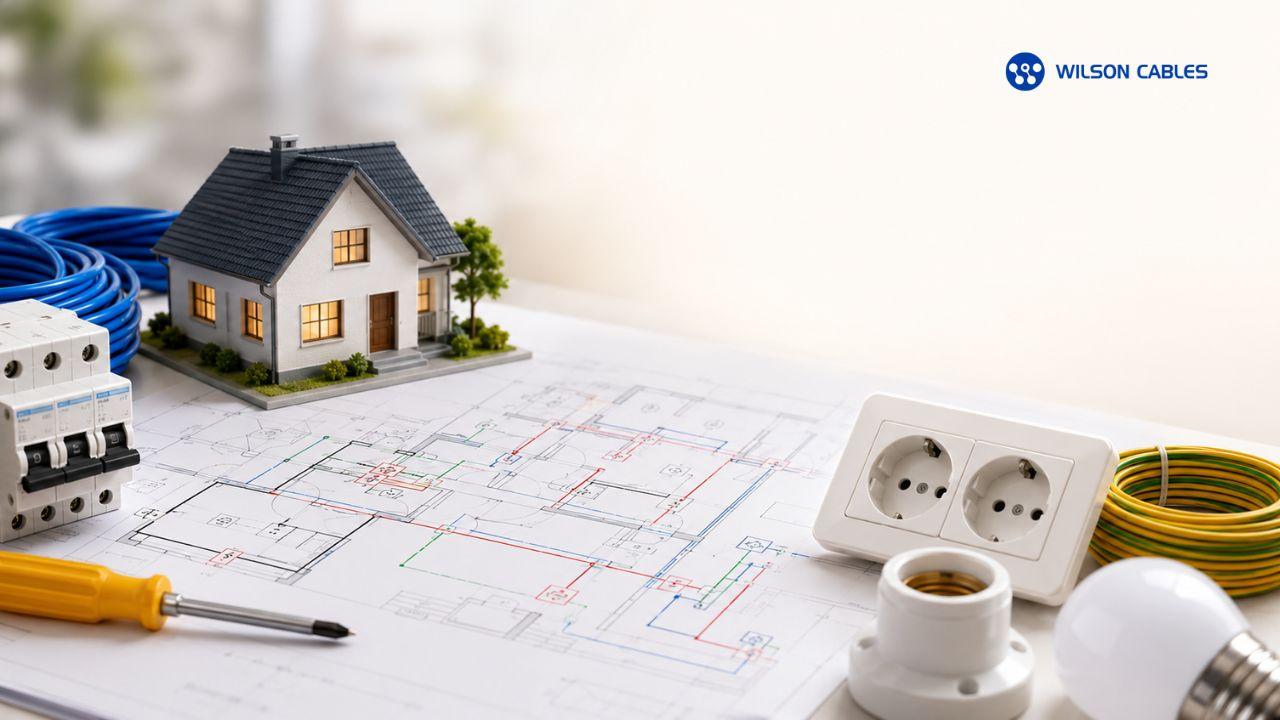
Electricity is one of the main necessities in everyday life. Almost every activity at home depends on the electrical system, from turning on lights and using electronic devices to operating appliances such as air conditioners, water pumps, and washing machines.
However, electricity can also pose risks if the installation is not properly designed and installed. Excessive electrical loads, improper cable selection, poor circuit distribution, and the absence of a grounding system can increase the risk of electrical problems such as short circuits, overheated cables, electric shocks, and even fires.
Therefore, home electrical installation planning should be carried out before the installation process begins. A well-prepared plan can serve as a reference for determining electrical points, power requirements, cable routes, protective devices, and the materials to be used.
So, how can you plan a home electrical installation properly and safely? Here are the steps.
Home electrical installation planning is the process of determining and designing an electrical system before installation takes place. This stage includes determining the locations of lights, switches, outlets, cable routes, power requirements, circuit grouping, protective devices, grounding, and installation materials.
The planning process should be based on the occupants' needs and the building's conditions. With a clear design, installation can be carried out more systematically, while inspection and maintenance become easier if problems occur in the future.
In addition to considering convenience, electrical installation planning must also take safety into account. The materials and components used should match the installation requirements and applicable standards.
Home electrical installation planning should be carried out systematically so that all electrical requirements can be considered from the beginning. Here are several stages to follow.
The first step is to create an electrical installation layout based on the size of the building and the number of rooms available.
Determine the position of every required electrical point, such as lights, switches, outlets, air conditioners, water pumps, and other electrical equipment. Electrical points should be positioned according to the function of each room so they are easy to use and do not interfere with occupants' activities.
At this stage, cable routes should also be planned. Keep the installation routes organized and consider access for future inspection and maintenance.
Once the installation points have been determined, the next step is to calculate the home electrical power requirements.
The calculation can be made by estimating the power consumption of the various appliances that will be used, such as lights, televisions, refrigerators, air conditioners, water pumps, washing machines, and other electronic devices.
These calculations can serve as the basis for determining the required electrical capacity and the protective devices to be used in the installation.
One important component to consider is the Miniature Circuit Breaker (MCB). An MCB acts as a protective device that can interrupt the electrical supply when certain conditions occur, such as overcurrent or a short circuit.
A home electrical system should not rely on a single circuit for all loads. Electrical loads can be divided into several groups based on their functions and requirements.
For example, the installation can be divided into lighting, outlet, air-conditioning, water-pump, or other high-power appliance circuits.
Dividing the system into groups helps keep electrical loads under control. In addition, if a problem occurs in one circuit, it can be inspected more easily without disrupting the entire home's electrical system.
Circuit grouping should also take into account the characteristics and load levels of each group.
Cables are one of the main components of an electrical installation. Cable selection should not be based solely on price or available sizes, but should be matched to the load requirements and installation conditions.
The cable size should take into account its current-carrying capacity for the load it will serve. Using a cable with an unsuitable size can cause it to operate beyond its intended capacity and potentially overheat.
In addition to size, the cable type should be matched to the installation location. Cables used for indoor installations, damp areas, or specific routes may require different levels of protection.
Make sure the cable used has clear technical specifications and complies with applicable standards to help ensure installation safety and reliability.
In addition to cables, electrical installation planning should also consider various supporting materials and components, such as switches, outlets, MCBs, electrical panels, protective conduits, and grounding components.
Choosing the right materials is important because each component has its own function and usage limits. Materials that do not meet the required quality can increase the risk of problems in the electrical system.
For home installations, it is recommended to use products that comply with applicable standards and have clear technical specifications.
Cables installed inside walls, floors, or areas that may be exposed to mechanical damage should receive appropriate protection.
One way to provide this protection is by using cable conduits. Conduits can help protect cables from factors that may cause damage, such as moisture, friction, and interference from animals.
Protective conduits can also make installation routes neater and simplify maintenance if the cables need to be inspected or repaired.
Grounding is an important part of electrical installation safety. It provides a path for fault or leakage current to flow into the ground, helping reduce the risk of electric shock.
Grounding should be properly designed and installed, especially at the electrical panel and in installations that use equipment with significant loads.
Because grounding is directly related to safety, the grounding system should be inspected and installed by personnel who are competent in electrical installation.
After the entire installation has been completed, do not immediately operate the whole system without an inspection.
Inspect the cable routes, electrical panel, MCBs, grounding, connection points, and other installation components. Testing is also necessary to make sure the system works properly.
This stage is important for identifying installation errors or potential problems before the system is put into normal operation.
A thorough inspection can help identify potential electrical system problems at an early stage.
Electrical installation planning is not only about determining the positions of lights or outlets. Good planning helps ensure that the electrical system meets the home's needs while also taking safety into account.
Some of the benefits of good electrical installation planning include:
Therefore, planning should be completed before installation so that the resulting system not only works properly, but is also safer and easier to manage.
In addition to understanding the planning stages, it is also important to avoid mistakes that could affect installation safety.
Do not choose cables based only on availability or price. Cable size and type should be matched to the load and installation conditions.
Adding various electrical appliances without considering the total power requirement can cause the installation load to become excessive.
Too many loads on a single circuit can make the installation harder to manage and inspect. Dividing circuits based on their requirements can help make the system more controlled.
Grounding is an important part of electrical safety. Therefore, the grounding system should not be overlooked when planning an installation.
Installation errors can occur even when a plan has been prepared. Therefore, inspection and testing are still necessary before the installation is put into use.
Good electrical installation planning needs to be supported by appropriate materials. Cables, MCBs, outlets, switches, electrical panels, and other supporting components should be selected based on the installation requirements and specifications.
For electrical cables in particular, make sure the products used have clear technical specifications and comply with applicable standards. Choosing the right cable helps ensure that electrical energy can be delivered safely and reliably to various points throughout the home.
Wilson Cables provides a range of cables for building electrical installation needs. With the right materials and proper planning, a home's electrical system can be designed to be safer, more organized, and better suited to its requirements.
Home electrical installation planning is an important stage that should be completed before installation begins. Planning involves more than determining the locations of lights and outlets; it also includes calculating power requirements, dividing circuits, selecting cables and materials, using cable protection, preparing a grounding system, and inspecting and testing the installation.
With systematic planning, a home's electrical needs can be met more effectively while helping reduce various electrical risks.
Because electrical installations are directly related to occupant safety and building security, the planning and installation process should be carried out by competent electrical professionals who understand applicable standards and requirements.
If you need cables for building electrical installations, consult Wilson Cables to find the right cable options for your installation requirements.
|
Wilson Cables is a trusted electrical cable brand produced by PT. Willson Surya Unggul, a cable manufacture company in Tangerang, Indonesia, which has been established since 1989. Since the beginning, we have been fully committed to producing high quality cables with a choice of products from building cables, automotive cables, audio cables, electronic cables, to cables for use. special.
|
Our Location
Jl. Veteran No.9A, Kadu Jaya, Kec. Curug, Tangerang, Banten 15810
 021-5986868 / 0856-8686868
|
Sitemap
|
Download Our Product Catalog
Download |

|


